Lansing is Michigan’s capital city and the center of the Greater Lansing region, offering a wide range of housing, neighborhoods, employment, recreation, and cultural amenities. From historic neighborhoods and established residential areas to downtown living and newer development, Lansing gives home buyers a variety of options at different price points. If you’re considering buying a home in Lansing, understanding tis neighborhoods, property taxes, school boundaries, housing styles, and local amenities can help narrow down where you want to look.
Living in Lansing
One of Lansing’s defining features is the variety you can find within the city. Established neighborhoods with tree-lined streets and older homes sit alongside mid-century neighborhoods, newer development, downtown apartments, and condominiums. Different parts of the city also provide convenient access to places like downtown Lansing, Old Town, REO Town, local parks, and the Lansing River trail. For home buyers, that variety makes it possible to compare very different types of homes and locations without moving far outside the city.
Homes & Neighborhoods in Lansing
Lansing’s neighborhoods can look and feel quite different from each other. Lansing’s historic Westside Neighborhood offers some of the city’s most distinctive residential architecture. Along streets such as Genesee Drive, buyers will find early twentieth-century homes including Tudor, Colonial Revival, Craftsman and other historic styles, often along curving tree-lined residential streets. The area sits immediately west of downtown and the Capitol complex. Along the Grand River, the Moores Park area includes established homes near Moores Park and the Lansing River Trail. On the east side of the city, neighborhoods surrounding the Michigan Avenue corridor sit between downtown Lansing and East Lansing, with a large concentration of Lansing’s older housing stock. Buyers looking for a more urban setting can also explore housing in and around Downtown Lansing, while Old Town and REO Town combine historic architecture, locally owned businesses, restaurants, entertainment, and nearby residential areas. Together these areas are a good example of why two homes with a Lansing address can offer very different surroundings and housing options.
Property Taxes & School Districts
A Lansing address does not necessarily mean a home is located within the Lansing School district. The City of Lansing extends into Ingham, Eaton, and Clinton counties, and portions of the city fall within several school districts. Because school district and municipal boundaries do not always match, buyers should verify the school district assigned to a specific property rather than relying on the mailing address. Property taxes can also vary based on the property’s location, school district, taxable value, and principal-resident status.
Check Before You Buy
Before making an offer, verify both the school district and estimated property taxes for the specific home you’re considering. Don’t rely on the Lansing mailing address or the seller’s current tax bill alone. A property’s taxing jurisdictions, taxable value, principal-residence status, and ownership history can affect the amount the new owner may pay.
Getting Around Lansing
Lansing’s central location makes it relatively easy to reach different parts of the Greater Lansing region. I-496 runs through the city and connects with I-96 and US-127, providing access to surrounding communities and the broader Mid-Michigan area. Major surface streets such as Michigan Avenue, Saginaw Street, Cedar Street, and Pennsylvania Avenue also connect Lansing’s neighborhoods with downtown, East Lansing, Michigan State University shopping, employment centers, and other destinations throughout the region.
Parks, Trails & Outdoor Recreation
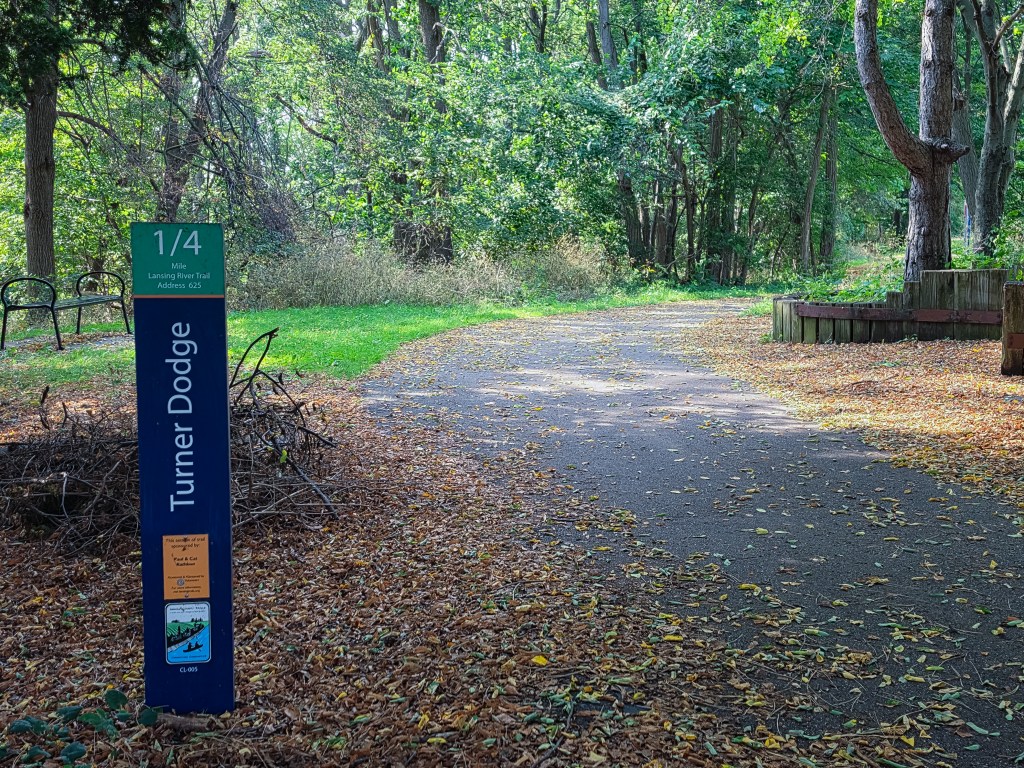
Lansing offers outdoor recreation throughout the city, but the Lansing River Trail is one of its defining features. The paved trail system follows the Grand and Red Cedar rivers and connects neighborhoods, parks, downtown Lansing, and destinations throughout the city. Moores Park is one of the notable stops along the river, with green space, River Trail access, and the historic Moores Park Pool. Built in 1922, the distinctive outdoor pool is currently undergoing a major restoration, with reopening planned for summer 2027. The River Trail also passes through Potter Park, home to Potter Park Zoo, while other Lansing destinations such as Francis Park, Hawk Island Park, and Fenner Nature Center add everything from gardens and trails to swimming, paddling, and year-round recreation.
Local Favorites & Things to Do
Living in Lansing puts many of the regions cultural attractions, entertainment venues, restaurants, and community events close to home. As Michigan’s capital city, Lansing has some destinations you would expect—like the State Capitol—but much of the city’s character comes from places residents return to regularly, from neighborhood business districts and local restaurants to museums, sporting events, and community festivals.
Downtown Lansing & the Capitol
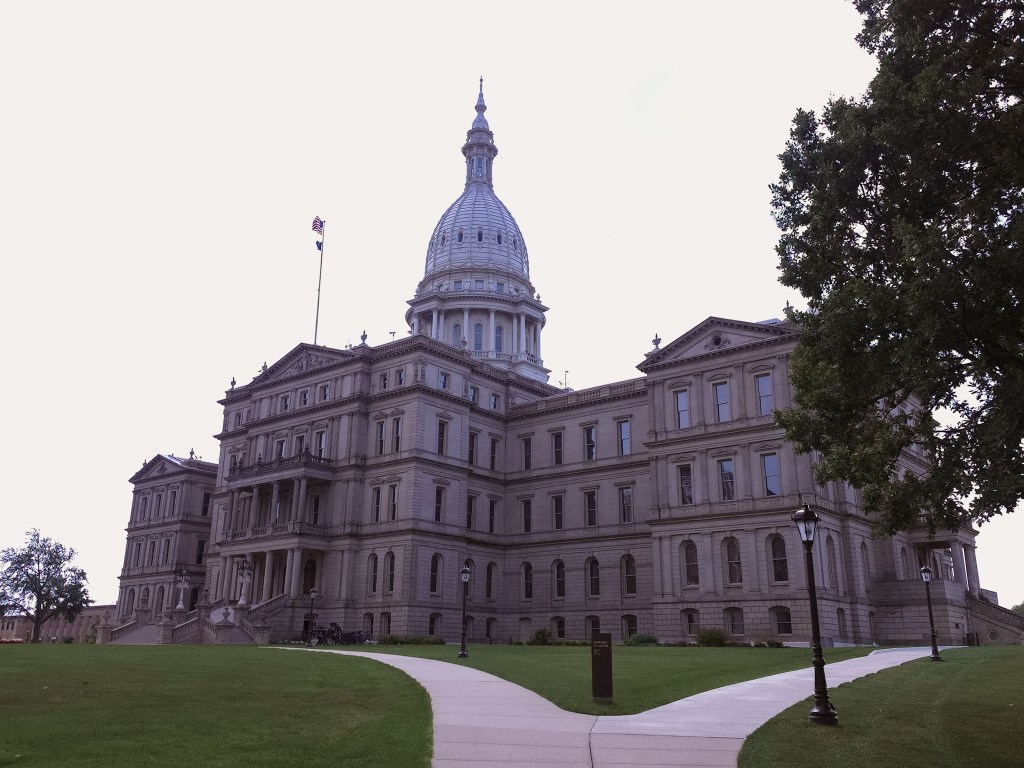
Downtown Lansing is centered around the Michigan State Capitol and the state government offices. The downtown area includes restaurants, entertainment, museums, and residential options, with the Lansing River Trail running nearby. Impression 5 Science Center is a popular hands-on museum, while Jackson Field brings Lansing Lugnuts baseball downtown throughout the season. The Capitol itself is also open to visitors and remains one of Lansing’s most recognizable landmarks.
Old Town & REO Town
Old Town and REO Town are two of Lansing’s most distinct historic districts, and both have developed identities that go well beyond their restaurants and storefronts. Old Town sits along the Grand River north of downtown and is known for its colorful historic storefronts, locally owned shops, restaurants, galleries, and community events. South of downtown, REO Town refelcts Lansing’s automotive history—the district takes its name from Ransom E. Olds and the REO Mo Car Company—and today mixes historic buildings with restaurants, small businesses, entertainment, and creative spaces.
Community events are a big part of both districts. Old Town hosts events throughout the year that bring people into the neighborhood for art, music, food, and local businesses, including ArtFeast, Chalk of the Town, First Fridays, and other seasonal events. REO Town has developed its own event calendar as well, with gatherings such as Lansing Lit, 517 Juneteenth Weekend, and Nightmare Off Elm Street. The specific lineup changes from year to year, but both districts regularly give residents a reason to come back beyond simply shopping or dining.
Local Food & Lansing Favorites
Lansing has its share of national chain restaurants, but some of the more interesting places to eat are the ones with local history behind them. The olive burger is a Lansing tradition, with its own annual festival. Longtime neighborhood restaurants, diners, barbeque spots, breweries, and independent cafes are scattered throughout the city. Downtown’s Peanut Shop has been a Lansing fixture since 1937, while places such as Soup Spoon cafe, MEAT. in Old Town, And Saddleback BBQ in REO Town have become recognizable parts of Lansing’s local food scene. Ask a few Lansing residents where to get the best olive burger, though, and you’re likely to get a different answer from each one.
History & Lansing’s Automotive Roots
Lansing’s role as the state capital is only part of its history. The Michigan History Museum traces Michigan’s story from its earliest inhabitants through the state’s industrial and modern eras, while the R.E. Olds Transportation Museum tells a distinctly Lansing story. Ransom E. Olds built his early automobile companies here, helping establish an automotive legacy that would shape Lansing for generations. Today, the museum preserves that history through Lansing-built vehicles, early Oldsmobiles and REO’s, and other pieces of the city’s transportation past. Today, Lansing is home to two General Motors automotive assembly plants, Lansing Grand River Assembly and Delta Township Assembly, continuing Lansing’s long tradition of building world-class vehicles.
Lansing Housing Market
Lansing continues to offer some of the more accessible home prices in the Greater Lansing area, while still showing competitive activity for well positioned homes. According to Greater Lansing MLS data, 850 residential properties within the City of Lansing closed from January through August of 2026. The median sale price was $153,750, with an average sale price of $160,753.
Homes sold at a median 100% of their final list price, and the median cumulative days on market was 14 days. Of the 850 homes sold during this period, 575 went under contract within 30 days of being listed. These citywide numbers provide a useful starting point, but Lansing’s housing stock and price points vary considerably by neighborhood , property condition, size, and style.
Considering a Home in Lansing?
With such a wide range of neighborhoods, housing styles, and price points, finding the right home in Lansing often comes down to understanding the differences from one part of the city to another. I can help you compare homes, property taxes, school district boundaries, neighborhoods, and current market conditions so you can focus your search on the properties and locations that make the most sense for you.

